


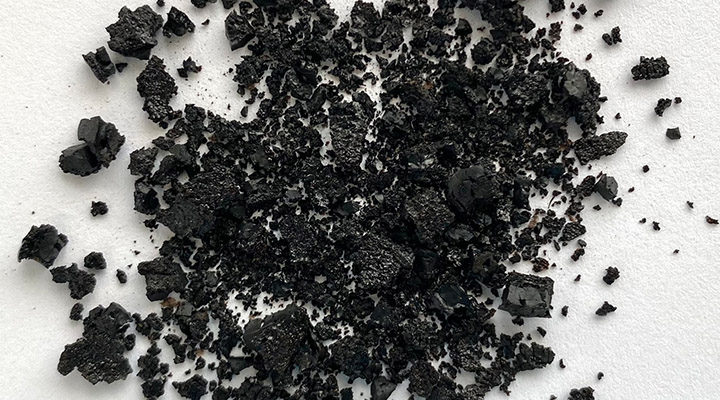
Humic Acid: The Hidden Key to Healthier Soil and Stronger Crops
If you’ve spent any time researching soil health or plant nutrition, chances are you’ve come across the term “humic acid.” It’s often praised as a game-changer in modern agriculture — but what exactly is it, and why does it matter for your crops?
What Is Humic Acid?
Humic acid is a naturally occurring organic compound formed through the long-term decomposition of plant and animal matter, primarily from sources like leonardite, peat, and lignite. It’s one of the key components of humus — the dark, nutrient-rich organic material found in healthy, fertile soils.
Unlike synthetic fertilizers that supply nutrients directly, humic acid works differently. It improves the soil’s overall structure and biological activity, creating an environment where plants can access and use nutrients far more efficiently.
How Humic Acid Benefits Your Soil
- Improves Soil Structure Humic acid helps bind soil particles together, improving aeration and water infiltration. This is especially valuable in compacted or sandy soils that struggle to retain moisture and nutrients.
- Increases Nutrient Availability One of humic acid’s most valuable properties is its ability to chelate — or bind — essential minerals like iron, zinc, calcium, and magnesium. This prevents nutrients from becoming locked in the soil and makes them more available for plant uptake.
- Enhances Water Retention Soils treated with humic acid can hold more water, reducing irrigation needs and helping crops withstand periods of drought or heat stress.
- Boosts Microbial Activity Healthy soil is alive with beneficial microorganisms. Humic acid acts as a food source and habitat for these microbes, encouraging a more active and balanced soil ecosystem — which in turn supports better nutrient cycling.
- Stimulates Root Development Studies have shown that humic acid can promote stronger, more extensive root systems. Better roots mean better access to water and nutrients, which translates directly into healthier, more resilient plants.
Benefits for Plant Growth
Beyond the soil itself, humic acid has a direct positive impact on plants:
- Improved germination rates — Seeds treated with humic acid often show faster and more uniform sprouting.
- Stronger stress tolerance — Plants become more resilient to environmental stressors like drought, salinity, and temperature extremes.
- Better nutrient uptake efficiency — Crops can make fuller use of the fertilizers already being applied, improving overall input efficiency.
- Higher yield potential — With healthier roots, better nutrient access, and reduced stress, crops are better positioned to reach their full productive potential.
Who Can Benefit from Humic Acid?
Humic acid is versatile and can be used across nearly all types of agriculture — from open-field crops and orchards to greenhouse operations and even ornamental horticulture. It’s particularly valuable in:
- Soils that are degraded, compacted, or low in organic matter
- Regions facing water scarcity or irregular rainfall
- Intensive farming systems where soil health can decline over time
- Combination with chemical fertilizers, to improve their efficiency and reduce waste
How to Apply Humic Acid
Humic acid can be applied in a few different ways, depending on your goals:
- Soil application — Mixed into irrigation water or applied directly to the soil to improve long-term soil structure and fertility.
- Foliar application — Sprayed directly onto leaves for faster uptake, often used to give crops a quick boost during critical growth stages.
- Seed treatment — Applied to seeds before planting to encourage stronger, faster germination.
As with any input, following recommended dosage guidelines based on crop type, soil condition, and application method will give you the best results.
Final Thoughts
Humic acid isn’t a replacement for balanced fertilization — but it’s a powerful complement to it. By improving soil structure, enhancing nutrient availability, and supporting root and microbial health, it lays the groundwork for stronger, more resilient crops season after season.
For growers looking to build long-term soil fertility while making the most of every fertilizer application, humic acid is well worth considering as part of a complete crop nutrition program.
No comment